

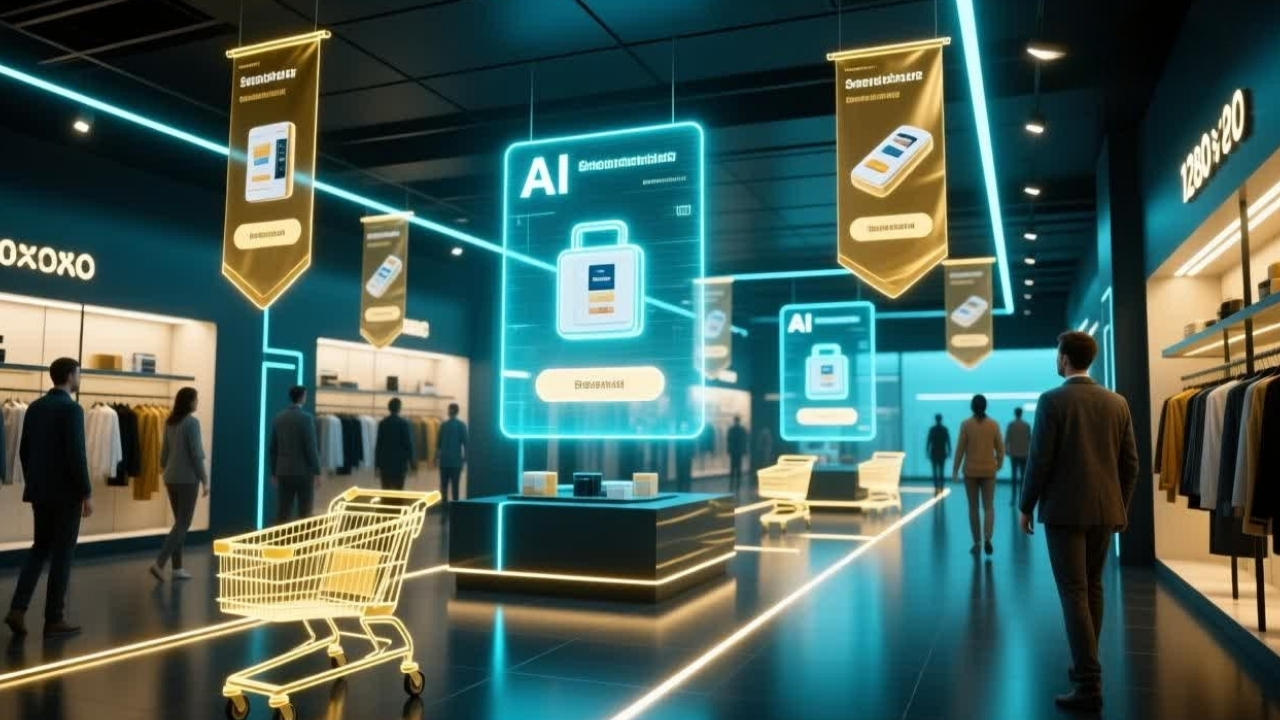
In today’s competitive e-commerce and retail landscape, businesses constantly seek ways to increase revenue per customer. Two of the most effective techniques are upselling—encouraging customers to buy a higher-end product than they initially intended—and cross-selling—suggesting complementary or related products. While these strategies have been around for decades, Artificial Intelligence (AI) is revolutionizing how businesses implement them, making upselling and cross-selling more personalized, timely, and effective than ever before.
AI-driven strategies leverage data, predictive analytics, and real-time insights to deliver the right offer to the right customer at the right time, creating a seamless experience that drives revenue while enhancing customer satisfaction. In this article, we explore how AI enables effective upselling and cross-selling, its benefits, real-world applications, and best practices.
Understanding Upselling and Cross-Selling
Before diving into AI, let’s clarify the concepts:
- Upselling: Encouraging customers to purchase a higher-value product, often with additional features, premium quality, or extended warranties.
Example: A shopper considering a basic smartphone might be offered a model with more storage, a better camera, and faster performance. - Cross-Selling: Suggesting complementary products that enhance the original purchase.
Example: A customer buying a laptop may be recommended a laptop bag, mouse, or external hard drive.
Traditional upselling and cross-selling rely heavily on intuition, manual analysis, and generalized promotions. While somewhat effective, this approach lacks personalization and may not consider the unique preferences or behavior of each customer.
How AI Enhances Upselling and Cross-Selling
AI brings precision, personalization, and automation to these strategies, leveraging large datasets and advanced algorithms to increase effectiveness.
- Customer Behavior Analysis
AI analyzes data from multiple touchpoints:
- Browsing history and product views
- Previous purchases and frequency
- Time spent on product pages
- Cart abandonment patterns
By understanding customer behavior, AI predicts what a customer is most likely to buy next, enabling targeted upselling and cross-selling.
Example: If a shopper frequently buys eco-friendly products, AI can suggest premium sustainable alternatives or complementary items, increasing the likelihood of a sale.
- Predictive Analytics
Machine learning models forecast future buying behavior based on historical patterns. Predictive analytics allows businesses to:
- Identify customers with a high propensity to upgrade
- Recommend products that complement current purchases
- Adjust offers in real time to maximize conversion
Example: AI predicts that a customer who buys a fitness tracker will likely purchase a heart rate monitor within two weeks. The system automatically triggers a cross-sell offer.
- Personalized Recommendations
AI systems can deliver dynamic, individualized product suggestions at various stages of the buyer journey:
- On product pages
- In shopping carts
- During checkout
- Through post-purchase emails or push notifications
Personalization increases the relevance of upsell and cross-sell offers, making customers feel understood and enhancing the likelihood of purchase.
- Real-Time Decision Making
AI reacts in real time to customer actions:
- Adjusts recommendations based on browsing behavior
- Suggests alternative products if stock is low
- Optimizes pricing or discounts to encourage an upgrade
This instantaneous adaptation ensures that offers are always relevant, timely, and compelling.
- Integration Across Channels
AI-driven strategies are not limited to websites. They can be implemented across multiple channels:
- Email Marketing: Personalized upsell and cross-sell emails based on past purchases
- Mobile Apps: Push notifications with product recommendations
- Chatbots: Conversational upselling during customer support interactions
- In-Store Systems: Personalized recommendations on digital kiosks or mobile apps
Omnichannel integration ensures a consistent, personalized experience regardless of how the customer interacts with the brand.
Benefits of AI-Driven Upselling and Cross-Selling
AI offers several advantages over traditional approaches:
- Increased Revenue per Customer
Targeted upsells and cross-sells encourage customers to purchase more expensive or additional items, directly increasing average order value (AOV).
- Higher Conversion Rates
AI ensures that product suggestions are highly relevant, improving the likelihood of acceptance compared to generic offers.
- Improved Customer Experience
By offering products that align with customer preferences, AI creates a seamless, helpful shopping experience, enhancing satisfaction and loyalty.
- Time and Cost Efficiency
AI automates recommendations, reducing the need for manual analysis and allowing teams to focus on strategy rather than repetitive tasks.
- Data-Driven Insights
AI continuously learns from customer behavior, providing insights into which upsell and cross-sell strategies work best, enabling continuous optimization.
Real-World Applications
- E-Commerce Retailers
E-commerce giants like Amazon and Shopify-powered stores use AI to analyze purchase history, browsing patterns, and trending products. Automated recommendations appear throughout the buyer journey, from product pages to checkout, maximizing revenue potential.
- Subscription Services
Subscription-based businesses, such as meal kits or streaming platforms, use AI to upsell premium plans or cross-sell additional services, such as add-on content, personalized boxes, or exclusive features.
- Travel and Hospitality
Airlines, hotels, and travel agencies leverage AI to upsell premium seats, room upgrades, or bundled experiences. Cross-selling might include car rentals, excursions, or travel insurance.
- Financial Services
Banks and fintech companies use AI to offer personalized financial products, such as premium credit cards, investment options, or insurance, based on customer behavior and financial profiles.
Best Practices for Implementing AI Upselling and Cross-Selling
- Leverage Comprehensive Data
The more data AI has, the more accurate the predictions. Include browsing history, past purchases, engagement metrics, and demographic information.
- Maintain Relevance
Ensure recommendations align with customer preferences. Irrelevant suggestions can frustrate shoppers and reduce trust.
- Personalize Timing
AI can determine the optimal moment to present offers—whether on a product page, during checkout, or post-purchase—enhancing effectiveness.
- Test and Optimize
Use A/B testing to measure the success of upsell and cross-sell campaigns. Continuously refine algorithms based on results.
- Respect Customer Boundaries
Overly aggressive or frequent suggestions can harm the customer experience. AI can help find a balance between engagement and intrusion.
- Integrate Across Channels
Consistent AI-driven recommendations across email, web, mobile, and in-store channels improve omnichannel conversion and reinforce brand messaging.
Challenges of AI-Driven Upselling and Cross-Selling
While AI offers immense potential, there are challenges to consider:
- Data Privacy Concerns: Collecting and analyzing customer data must comply with regulations like GDPR or CCPA.
- Algorithm Bias: AI models may inadvertently prioritize certain products or exclude niche items, impacting fairness.
- Implementation Complexity: Integrating AI across multiple platforms and ensuring real-time responsiveness requires technical expertise.
- Over-Personalization: Excessive or poorly timed suggestions can frustrate customers and reduce trust.
Addressing these challenges ensures AI strategies are ethical, effective, and customer-centric.
Popular AI Tools for Upselling and Cross-Selling
Several AI platforms help businesses implement upselling and cross-selling strategies effectively:
- Dynamic Yield: Provides personalized product recommendations, targeting customers with real-time offers.
- Salesforce Einstein: Integrates AI into CRM to suggest upsell and cross-sell opportunities based on customer profiles.
- Algolia Recommend: AI-driven product recommendations for websites and e-commerce platforms.
- Segment & Amplitude: Offer predictive analytics to guide cross-selling and upselling campaigns.
- ChatGPT API & Jasper AI: Can generate personalized upsell and cross-sell messages for email, chat, and website copy.
These tools streamline implementation and enable scalable, data-driven revenue growth.
The Future of AI-Driven Upselling and Cross-Selling
AI continues to evolve, promising even more advanced upselling and cross-selling strategies:
- Hyper-Personalization: AI will tailor recommendations to individual preferences, behavior, and context, improving engagement.
- Real-Time Dynamic Offers: AI will adjust upsell or cross-sell suggestions instantly based on stock, pricing, and customer behavior.
- Voice Commerce Integration: As voice assistants become popular, AI will suggest complementary products during conversational interactions.
- Predictive Customer Journeys: AI will anticipate future needs and recommend products before the customer actively searches for them.
- Emotion and Sentiment Analysis: AI may analyze mood and tone to suggest products in a more empathetic, engaging manner.
The future of AI-driven upselling and cross-selling is intelligent, proactive, and seamlessly integrated into the customer experience.
Conclusion
AI-driven upselling and cross-selling strategies are redefining how businesses maximize revenue and enhance customer experiences. By leveraging machine learning, predictive analytics, and real-time personalization, businesses can:
- Increase average order value
- Improve conversion rates
- Enhance customer satisfaction
- Automate repetitive tasks
- Gain actionable insights for continuous optimization
From e-commerce retailers and subscription services to travel, hospitality, and financial sectors, AI enables businesses to deliver highly relevant, timely, and effective recommendations.
While human oversight is still essential to ensure brand voice, ethical practices, and accuracy, the combination of AI speed, scalability, and intelligence creates a competitive advantage. As technology advances, AI-driven upselling and cross-selling will become even more predictive, personalized, and proactive, helping businesses build loyalty, maximize revenue, and deliver value to every customer.
In 2025 and beyond, AI is not just a tool for recommendations—it is a strategic partner that empowers businesses to understand, anticipate, and meet customer needs like never before.
About the Author


