

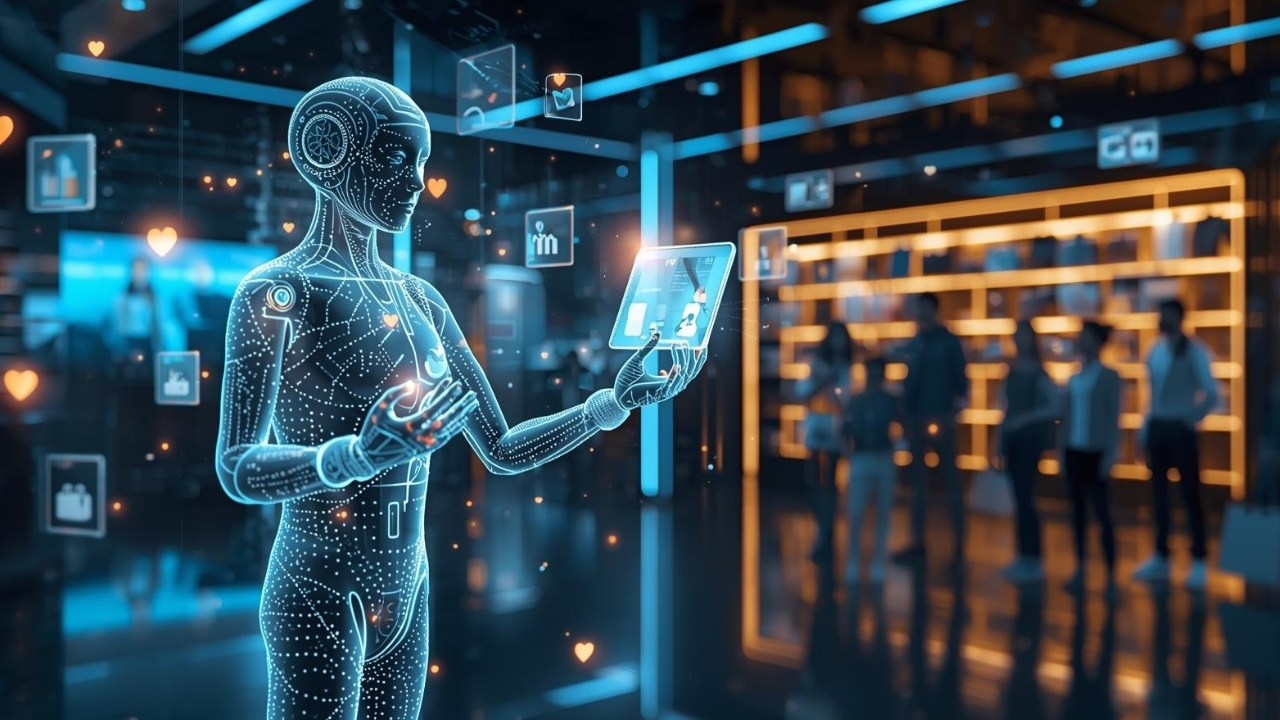
In today’s competitive digital marketplace, customers expect more than generic recommendations—they want experiences tailored to their individual preferences, behaviors, and needs. Meeting this expectation is challenging for businesses that manage thousands of products and millions of customers. This is where AI-powered personalization engines come into play. By analyzing user behavior, purchase history, and other contextual data, these engines can predict what customers want, delivering highly relevant recommendations and experiences that drive engagement, loyalty, and revenue.
In this article, we’ll explore what personalization engines are, how AI powers them, their benefits, real-world applications, and best practices for implementation.
What Is a Personalization Engine?
A personalization engine is a technology platform that uses AI and machine learning to deliver individualized content, product recommendations, and experiences to customers. Unlike traditional rule-based systems, which rely on static segmentation, AI-driven engines dynamically adapt to real-time user behavior and evolving preferences.
Key Functions Include:
- Content Personalization: Tailoring website content, emails, and advertisements to each user.
- Product Recommendations: Suggesting products based on browsing behavior, purchase history, and trends.
- Behavioral Targeting: Offering experiences based on user actions, such as clicks, search queries, or time spent on pages.
- Predictive Analytics: Forecasting what customers are likely to want next.
By continuously analyzing data, personalization engines create a dynamic feedback loop, refining predictions and recommendations as users interact with content.
How AI Powers Personalization Engines
AI personalization engines rely on machine learning algorithms, predictive analytics, and natural language processing (NLP) to understand customers at an individual level.
- Data Collection and Integration
AI gathers data from multiple sources:
- Browsing behavior: Pages viewed, time spent, and clicks.
- Purchase history: Products bought, frequency, and spending patterns.
- Search behavior: Keywords and queries used.
- Engagement metrics: Email opens, click-through rates, and social media interactions.
- Contextual data: Device, location, and time of day.
This data forms the foundation for personalization.
- Pattern Recognition
Machine learning algorithms analyze data to identify behavioral patterns and preferences. For example, AI can detect that a customer often browses eco-friendly products, prefers certain brands, or shops at specific times.
- Predictive Modeling
Predictive models forecast future behavior based on historical data. This allows personalization engines to suggest products or content that a customer is likely to want next, increasing the chances of conversion.
Example: A customer who purchases running shoes regularly may be recommended running apparel, hydration gear, or fitness trackers.
- Real-Time Personalization
AI can deliver dynamic, real-time recommendations as users interact with a website, mobile app, or email. Unlike static rules, the engine adapts instantly to behavior changes.
Example: If a user spends time on a product page but does not add it to the cart, AI can trigger a recommendation for a similar product or complementary item.
- Continuous Learning
AI engines improve over time through reinforcement learning, incorporating feedback from:
- Clicks and purchases
- Product reviews and ratings
- User feedback and surveys
This continuous learning ensures that recommendations remain relevant and increasingly accurate.
Benefits of AI-Driven Personalization Engines
The use of AI in personalization offers multiple advantages:
- Increased Conversion Rates
By showing customers what they want before they ask, personalization engines increase the likelihood of purchase. Targeted recommendations can significantly boost conversion compared to generic product listings.
- Higher Average Order Value
Personalized cross-selling and upselling recommendations encourage customers to add complementary or premium products to their cart, increasing revenue per transaction.
- Improved Customer Retention
Relevant recommendations and personalized experiences build loyalty, making customers more likely to return to the brand for future purchases.
- Enhanced Customer Experience
Personalization engines create seamless, intuitive shopping experiences, reducing friction and improving satisfaction.
- Data-Driven Insights
These engines provide businesses with deep insights into customer behavior, helping guide product development, marketing strategy, and inventory management.
Real-World Applications of Personalization Engines
- E-Commerce
E-commerce platforms leverage personalization engines to recommend products based on browsing history, past purchases, and shopping patterns. AI can also dynamically adjust homepages, product pages, and emails for individual users.
Example: Amazon’s recommendation engine, powered by AI, drives a significant portion of its revenue by suggesting relevant products.
- Streaming Services
Netflix, Spotify, and other streaming platforms use AI to personalize content feeds, recommending movies, shows, or playlists based on viewing history, ratings, and user interactions.
Example: Netflix predicts which shows a user is likely to enjoy next, increasing engagement and retention.
- Retail and In-Store Experiences
Retailers use AI-driven personalization to create tailored in-store experiences, such as personalized digital signage, mobile notifications, or loyalty program recommendations.
Example: A customer using a store app might receive push notifications with personalized offers based on previous purchases.
- Travel and Hospitality
AI engines recommend destinations, hotels, or experiences based on past trips, search behavior, and personal preferences, enhancing booking conversion and customer satisfaction.
- Email and Marketing Automation
AI personalization engines can tailor email subject lines, content, and product recommendations for each subscriber, significantly improving open rates and engagement.
Example: A fashion retailer might send a personalized email showcasing new arrivals that match a customer’s previous style choices.
Best Practices for Implementing Personalization Engines
- Collect High-Quality Data
Accurate personalization depends on quality data. Ensure that tracking, analytics, and CRM systems are integrated to gather comprehensive customer information.
- Segment Strategically
While AI enables individual-level personalization, segmenting users into meaningful groups (e.g., high-value customers, first-time buyers) can enhance algorithm performance and efficiency.
- Focus on Privacy and Transparency
Collect and use customer data responsibly, complying with regulations such as GDPR or CCPA. Offer users transparency and control over their data.
- Test and Optimize
Regularly test recommendation strategies, content placements, and messaging to identify what drives the highest engagement and conversions.
- Integrate Across Channels
Ensure that personalization is consistent across websites, mobile apps, email, social media, and in-store experiences to create a seamless customer journey.
- Balance Automation with Human Oversight
AI provides recommendations and insights, but human marketers should guide strategy, validate outputs, and maintain brand voice.
Challenges of AI Personalization Engines
While powerful, AI personalization engines come with challenges:
- Data Complexity: Managing large datasets from multiple sources can be complex and resource-intensive.
- Algorithm Bias: AI models may unintentionally favor certain products or demographics if training data is biased.
- Over-Personalization: Too much personalization may feel intrusive to customers. Striking a balance is key.
- Technical Integration: Implementing AI engines across platforms and channels may require technical expertise and infrastructure investment.
Careful planning and ongoing monitoring are essential to maximize effectiveness while avoiding pitfalls.
The Future of AI-Powered Personalization
The future of AI personalization engines promises even more advanced, intuitive, and predictive experiences:
- Hyper-Personalization: Real-time, context-aware recommendations based on behavior, location, and even mood.
- Predictive Shopping: AI predicts needs before the customer searches, such as suggesting seasonal products or replenishments.
- Voice and Visual Personalization: Integration with voice assistants and visual search for intuitive interactions.
- Omnichannel Integration: Seamless personalization across online and offline touchpoints, including in-store experiences and mobile apps.
- Emotional and Sentiment Analysis: AI may analyze customer sentiment from reviews, messages, or social media to tailor recommendations accordingly.
As technology evolves, personalization engines will not just react to customer behavior—they will anticipate it, creating a truly frictionless and engaging shopping experience.
Conclusion
AI-powered personalization engines are transforming how businesses interact with customers. By analyzing behavior, predicting preferences, and delivering dynamic, individualized experiences, these engines drive:
- Higher conversion rates
- Increased average order value
- Greater customer loyalty
- Improved marketing efficiency
From e-commerce and streaming services to retail, travel, and email marketing, personalization engines are no longer optional—they are essential for businesses that want to thrive in a competitive digital landscape.
For brands looking to stand out, AI personalization engines unlock the ability to know customers better than ever before, creating meaningful, relevant experiences that convert curiosity into loyalty, clicks into purchases, and data into actionable insights.
About the Author


