

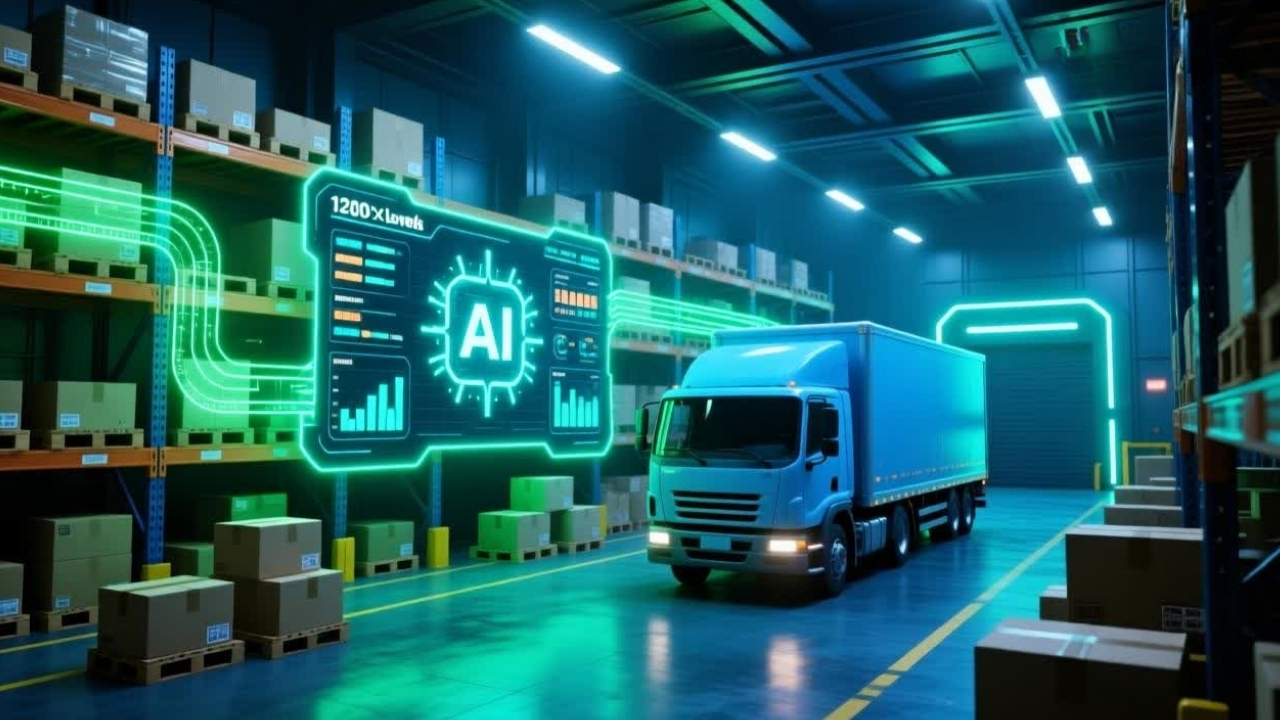
In today’s competitive business environment, effective inventory management is more critical than ever. Retailers, manufacturers, and distributors must maintain the right balance: too much inventory leads to high carrying costs, while too little results in stockouts, lost sales, and unhappy customers. Traditional inventory management methods often rely on historical trends, intuition, and manual forecasting, which can be inaccurate and slow to adapt to changing market conditions.
Enter Artificial Intelligence (AI). AI-powered predictive inventory management leverages advanced analytics and machine learning to forecast demand, optimize stock levels, and streamline supply chains. By anticipating future trends rather than reacting to them, businesses can reduce costs, improve customer satisfaction, and enhance operational efficiency. In this article, we’ll explore how predictive inventory management with AI works, its benefits, real-world applications, and best practices for implementation.
What Is Predictive Inventory Management?
Predictive inventory management uses AI and machine learning algorithms to forecast future inventory needs based on historical data, real-time market insights, and other relevant factors. Unlike reactive approaches, which adjust inventory after demand changes, predictive systems anticipate customer needs, supplier delays, and market fluctuations.
The ultimate goal is to maintain optimal stock levels, reduce waste, and ensure that products are available when and where customers need them.
How AI Improves Inventory Forecasting
Traditional inventory forecasting often relies on historical sales and simple seasonal trends. While useful, these methods cannot account for rapid changes in consumer behavior, supply chain disruptions, or market volatility. AI improves forecasting in several ways:
- Analyzing Large, Complex Data Sets
AI can process vast amounts of data from multiple sources:
- Sales history and trends
- Seasonal variations and holidays
- Promotions, discounts, and marketing campaigns
- Supplier lead times and shipping delays
- External factors like economic indicators or weather patterns
By analyzing this data in real time, AI generates more accurate and nuanced forecasts than manual methods.
- Identifying Patterns and Anomalies
Machine learning algorithms can detect patterns and anomalies in sales data that humans might miss. For example:
- Sudden spikes in demand for certain products
- Regional differences in buying behavior
- Correlations between product sales and external events
This ability allows businesses to respond proactively rather than reactively, minimizing stockouts and overstocking.
- Predicting Demand for New Products
One of the biggest challenges in inventory management is forecasting demand for new or seasonal products. AI can help by analyzing:
- Similar product performance
- Consumer trends and preferences
- Social media sentiment and search trends
This predictive capability allows businesses to launch products with confidence, reducing the risk of underperformance or excess inventory.
- Optimizing Reorder Points and Quantities
AI algorithms continuously calculate the optimal reorder points and quantities for each SKU based on demand forecasts, supplier reliability, and lead times. This ensures that inventory is replenished efficiently, avoiding overstocking or stockouts.
- Real-Time Adjustments
Unlike traditional systems, AI can adjust forecasts and inventory recommendations in real time as new data arrives:
- Sudden changes in demand
- Supplier delays or disruptions
- Price fluctuations
- Market trends
Real-time responsiveness allows businesses to adapt quickly to changing conditions, maintaining operational efficiency and customer satisfaction.
Benefits of Predictive Inventory Management with AI
Adopting AI-driven predictive inventory management provides several tangible benefits:
- Reduced Inventory Costs
By accurately forecasting demand and optimizing stock levels, businesses can reduce excess inventory, lowering storage and carrying costs. This is particularly valuable for businesses dealing with perishable goods or seasonal items.
- Improved Customer Satisfaction
Maintaining optimal inventory ensures that products are available when customers want them, reducing backorders and stockouts. Satisfied customers are more likely to make repeat purchases and recommend your brand.
- Increased Sales and Revenue
AI-driven recommendations for stock replenishment and promotional strategies help businesses capitalize on demand peaks, boosting sales and revenue opportunities.
- Streamlined Supply Chain Operations
Predictive inventory management improves coordination between procurement, warehousing, and distribution. Businesses can plan ahead for supplier lead times and shipping constraints, reducing delays and operational bottlenecks.
- Better Decision-Making
AI provides actionable insights and data-driven recommendations, enabling managers to make informed decisions rather than relying on intuition or guesswork.
Real-World Applications of AI in Inventory Management
- Retail
Retailers use AI to forecast demand for products across multiple stores and online channels. Predictive models help:
- Allocate stock to the right locations
- Plan promotions and discounts
- Manage seasonal product launches
Example: A fashion retailer uses AI to predict which clothing styles will be in demand next season, adjusting production and inventory levels accordingly.
- E-Commerce
E-commerce platforms leverage AI to forecast product demand, optimize warehouse stock, and reduce delivery delays. Personalized recommendations can also drive inventory turnover, aligning supply with consumer interests.
Example: An online marketplace analyzes browsing and purchasing patterns to determine which items should be stocked in high-demand warehouses.
- Manufacturing
Manufacturers use AI to manage raw materials and production schedules. Predictive inventory ensures that materials are available when needed, reducing downtime and improving operational efficiency.
Example: An electronics manufacturer predicts demand for specific components, adjusting procurement schedules to avoid production delays.
- Food and Beverage
For perishable goods, predictive inventory management is critical. AI forecasts demand based on sales history, seasonality, and external factors like weather, minimizing food waste and maximizing freshness.
Example: A grocery chain uses AI to predict daily demand for fresh produce in each store, ensuring optimal stocking and reducing spoilage.
Best Practices for Implementing AI Predictive Inventory Systems
- Start with Clean, High-Quality Data: Ensure that historical sales, supplier, and market data is accurate and comprehensive.
- Integrate Across Systems: Connect AI platforms with ERP, CRM, and supply chain systems for seamless data flow.
- Segment Inventory: Classify products by type, seasonality, or demand volatility for more precise forecasting.
- Monitor and Adjust Models: Regularly review AI predictions and adjust algorithms based on real-world outcomes.
- Train Teams: Ensure staff understand AI insights and can act on recommendations effectively.
- Incorporate External Data: Use weather forecasts, economic indicators, or social trends to improve accuracy.
By following these steps, businesses can maximize the ROI of AI-driven predictive inventory management.
Challenges to Consider
Despite its advantages, AI-driven predictive inventory management is not without challenges:
- Data Silos: Disconnected systems can hinder accurate forecasting.
- Algorithm Bias: AI models may not account for unusual events or rare product trends.
- Cost and Complexity: Implementing AI systems can require significant investment and technical expertise.
- Change Management: Teams must adapt to data-driven decision-making, which may differ from traditional practices.
Addressing these challenges is crucial to ensuring successful adoption and long-term benefits.
The Future of Predictive Inventory Management
The future of inventory management will be increasingly AI-driven, with greater automation, accuracy, and intelligence:
- Hyper-Localized Forecasting: AI will predict demand for specific regions, stores, and even neighborhoods.
- Autonomous Supply Chains: AI may automatically place orders, schedule shipments, and allocate stock without human intervention.
- Integration with IoT: Sensors and connected devices will provide real-time inventory data to improve forecasts.
- Sustainability Focus: AI will help reduce waste by optimizing stock levels for perishable or environmentally sensitive products.
- Adaptive Learning: Models will continuously improve by learning from new patterns, anomalies, and market changes.
Companies that embrace AI-driven predictive inventory management will gain a competitive edge, operating efficiently while meeting customer expectations.
Conclusion
Predictive inventory management powered by AI is revolutionizing the way businesses manage stock, forecast demand, and optimize supply chains. By leveraging machine learning, predictive analytics, and real-time data, AI enables companies to maintain optimal inventory levels, reduce costs, increase sales, and enhance customer satisfaction.
From retail and e-commerce to manufacturing and food distribution, AI-driven inventory systems are helping businesses anticipate demand rather than react to it, transforming inventory management from a reactive task into a strategic advantage.
As AI technologies continue to evolve, predictive inventory management will become more intelligent, automated, and adaptive, allowing companies to respond to market dynamics faster than ever before. Businesses that adopt these technologies early will not only improve operational efficiency but also deliver superior customer experiences, driving growth and profitability in an increasingly competitive marketplace.
About the Author


